
About Exosomes
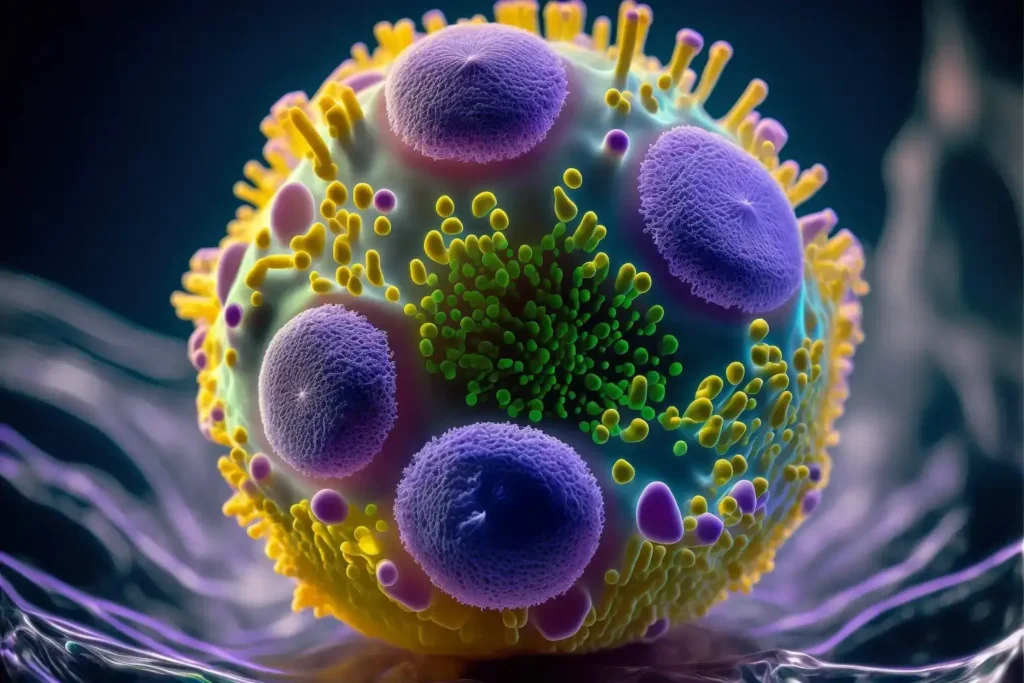
Exosomes are small vesicles that are released from cells
and play crucial roles in intercellular communication.
Responsible for cell-to-cell communication by transporting
proteins, lipids, and nucleic acids to the closest or distant
cells. Exosomes are involved in various physiological and
pathological processes, including immune response
regulation, tissue regeneration, and cancer progression.
Their ability to transfer biomolecules between cells makes
them potential candidates for therapeutic applications in
regenerative medicine, drug delivery, and diagnostics.
Cellular Communication and Tissue Repair
Exosomes contain various bioactive molecules, including proteins, lipids, and nucleic acids (such as microRNAs). These molecules can be transferred from one cell to another, influencing cellular behaviour and function. The transfer of exosomes play a role in promoting tissue repair and regeneration by enhancing communication between cells.
Stem Cell Activation:
Stem cell-derived exosomes are of particular interest in anti-aging research. These exosomes contain
components that activate local nerve cells and promote nerve remodelling.
Anti-Inflammatory Effects:
Chronic inflammation is associated with aging and age-related diseases. Studies suggest that exosomes have
anti-inflammatory properties, modulating the immune system and potentially reducing inflammation.
Collagen Production and Skin Health:
In the context of skin aging, exosomes have been investigated for their ability to stimulate a collagen production.
What affect to the skin elasticity and structure.
Stem Cell Activation:
Exosomes derived from stem cells, including mesenchymal stem cells (MSCs), have been studied for their ability to activate and stimulate the activity of hair follicle stem cells. This activation contribute to hair regeneration and growth.
Cell Communication and Signalling:
Exosomes can carry signalling molecules, such as growth factors and cytokines, that play a role in cell communication. By delivering these signals, exosomes enhance the communication between different cells involved in hair growth, promoting a conducive environment for regrowth.
Anti-Inflammatory Effects:
Inflammation is implicated in various hair loss conditions. Exosomes may have anti-inflammatory properties and could potentially mitigate inflammation in the scalp, creating a more favourable environment for hair follicle health and regrowth.
Promotion of Angiogenesis:
Adequate blood supply is essential for hair follicle function and growth. Exosomes promote angiogenesis (the formation of new blood vessels), ensuring that hair follicles receive the necessary nutrients and oxygen for optimal growth.
Tumor Promotion:
Studies suggest that exosomes derived from cancer cells (tumour-derived exosomes) may contribute to the growth, invasion, and metastasis of tumours. These exosomes can transfer molecules such as proteins, nucleic acids, and lipids to neighbouring or distant cells, influencing their behaviour in ways that support tumour progression.
Immune System Modulation:
Tumour-derived exosomes can influence the immune system, suppressing the anti-tumour response. They may carry signals that inhibit the activity of immune cells, allowing cancer cells to evade detection and destruction by the immune system.
Angiogenesis:
Exosomes released by cancer cells may contribute to angiogenesis, the formation of new blood vessels. This is crucial for supplying nutrients and oxygen to growing tumours. Exosomes can carry pro-angiogenic factors that stimulate blood vessel formation.
Drug Resistance:
Exosomes have been implicated in the development of drug resistance in cancer cells. They can transfer molecules that contribute to resistance against chemotherapy drugs, allowing cancer cells to survive and continue growing despite treatment. It’s either effective against brain cancer, as exosomes are not blocked by brain cells and might deliver drugs to the affected areas.
Biomarkers:
On the flip side, exosomes can also serve as potential biomarkers for cancer diagnosis and monitoring. Analysis of exosome content, including proteins and nucleic acids, may provide information about the presence of cancer and its characteristics.
Therapeutic Potential:
Despite their negative roles in cancer progression, exosomes are being explored as potential therapeutic tools in cancer treatment. Researchers are investigating ways to engineer exosomes to deliver anti-cancer drugs or modulate the immune response to target tumours selectively.
Immune Regulation:
Exosomes derived from various cell types, including immune cells, can carry regulatory molecules such as microRNAs that influence immune responses. In some cases, these exosomes may contribute to the suppression or modulation of immune reactions, potentially playing a role in immune tolerance.
Antigen Presentation:
Exosomes can carry major histocompatibility complex (MHC) molecules and antigens, participating in antigen presentation. This process can influence how the immune system recognizes and responds to self-antigens, potentially contributing to autoimmune responses.
Inflammatory Signalling:
Exosomes released during inflammation can carry pro-inflammatory signals, influencing the activation and recruitment of immune cells. In autoimmune diseases, the dysregulation of inflammatory signalling may contribute to the exacerbation of symptoms.
Tissue Damage and Repair:
Exosomes can carry factors that contribute to tissue damage or repair. In autoimmune diseases, the balance between these two processes is crucial. Exosomes are influencing the repair of damaged tissues or, conversely, contribute to the perpetuation of tissue destruction.
Potential Diagnostic and Therapeutic Applications:
Exosomes derived from cells involved in autoimmune responses may contain specific markers or molecules that can serve as diagnostic indicators of disease. Additionally, researchers are exploring the therapeutic potential of exosomes in autoimmune diseases, aiming to modulate immune responses or deliver targeted therapies.
Disease-Specific Variations:
The role of exosomes in autoimmune diseases can vary depending on the specific condition. Different autoimmune diseases involve distinct mechanisms, target tissues, and immune responses. Therefore, the impact of exosomes may be disease-specific.
Exosomes have been researched in various medical contexts, particularly for their potential in regenerative medicine, immunomodulation, and targeted drug delivery.
It’s essential to note that Lyme disease can have complex and varied manifestations, and the course of the disease can differ from person to person.
Incorporating EXOSOMES into a multi-modality treatment regimen may help break the inflammatory cycle and provide the body with necessary cellular information to facilitate healing.
Cell therapy is key to reestablish the bodies regulation capacity in chronically ill patients. While stem cells are considered the body’s building blocks for repair and healing, exosomes are the doing the actual work. They serve as important messengers that can help in cell optimization, repair processes, and mobilizing the body’s stem cells and healing processes, using them to trigger new processes and transport certain messages across barriers.
Instead of only focusing on the buildings (the cells), changing the spread the information by the people (the exosomes) can change how Lyme disease spreads and reduce the inflammation, among other aspects of the infection.
Regenerative medicine aims to improve the regeneration of damaged, malfunctioning, and missing tissue and organs. While stem cells still serve a crucial purpose, exosomes create an extraordinary opportunity for science to use them as inherent tools for medical intervention and drug delivery – specifically disguising certain drugs through manipulation.